The Tragedy of Macbeth
Macbeth was written by Shakespeare sometime between 1603 and 1607. It is the unfortunate tale of a general, and later a king, in Scotland, who goes so far to become king as to murder anyone else who wants to have the throne. His greedy wife joins in on the plot, but the unfortunate king and queen find that they cannot take the insanity of constant murdering and keeping secrets.
Macbeth's Story
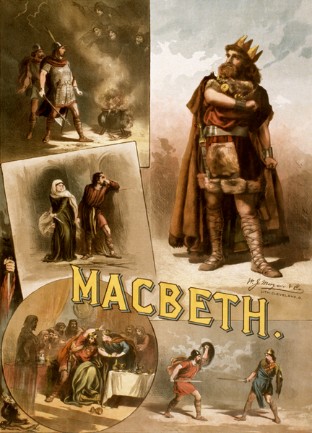
Like I mentioned above, Macbeth lived in Scotland, and he wasn't always the king. That right went to a man called Duncan, and his two sons. But one night, Macbeth was told by three witches ("double, double, toil and trouble") that he would become king. Naturally, with a little help from his bloodthirsty wife, he isn't against... erm, speeding up the process of becoming king.
Macbeth then kills King Duncan, leaving Lady Macbeth to frame someone else. Duncan's sons are so horrified that they flee the country, and Macbeth becomes king. Another prophecy by the witches tells that one of Macbeth's enemies, Macduff, is the only one who will steal his throne. Macduff is far away, so Macbeth doesn't worry. Instead, he kills Macduff's wife and children at the castle. Meanwhile, Lady Macbeth feels guilty for all the horrifying crimes she has commited, and starts sleep-walking around the house, wiping imaginary bloodstains from her hands. Eventually, the guilt becomes too much, and she commits suicide.
Also, people in the surrounding areas are starting to hear about the tyrrany of Macbeth, including Macduff. So Macduff and a couple other generals decide to storm the castle, turning it into a huge battleground. Upon Macduff trying to fight Macbeth. Macbeth is unafraid, stating to Macduff that earlier he had a prophecy that "no man of woman born would be able to kill him." Macduff's furious reply is that he was "ripped from his mother's womb" and technically not of woman born. (What Macduff is saying is that his mother had a C-section, which back then was not considered a natural birth.)
Macbeth realizes his mistake all too late. They get in a fight, but Macbeth is soon beheaded, and is King no more.
Moral of the Story
First off, the moral is not to murder, that much is obvious. But it goes deeper than that. Macbeth took the witches' prophecies seriously, and in all the work that went into making sure thathe would always be king he reached a point of no return. Macbeth and Lady Macbeth realized too late that they couldn't take the mental stress and anxiety of all the terrible acts that they did.
The witches were the temptresses in this story. They never said that Macbeth had to murder, or lie, or do anything else. They simply gave him the facts and let him figure out what his destiny was. Unfortunately, Macbeth thought that killing was the right way to get what he wanted, and was proven wrong. The witches symbolize temptation, in this play, even though they are not directly to blame for what Macbeth decided he had to do. As they said, "Fair is foul, and foul is fair."
It's also worth noting that King James, who was around when Hamlet was first performed, was terrified of witchcraft, and could barely sit through the scenes with the witches.
Don't Say Macbeth!
I bet you've heard this one before. In theater, it is said that if an actor says "Macbeth" at any time before the show, disaster would befall the set. Instead, actors refer to Macbeth as "The Scottish Play", and refer to King Macbeth as "The Scottish King."
This myth (or is it?) originated from the fact that witches were a main part of the show, and were said to have complete control over the play. Should anyone use the Scottish King's name in vain, they would be punished by bad luck. One story of one of the times the play was premiered was that an actor died because he said "Macbeth" out of context. It's said that he was supposed to be stabbed with a prop knife, but accidently got a REAL one instead!
When one says "Macbeth," there are usually several cleansing rituals, such as leaving the theater, spinning around three times and spitting. Other methods include immediately reciting a line from another play, such as the epilogue ("If we shadows have offended...") from A Midsummer Night's Dream.
The Real Macbeth
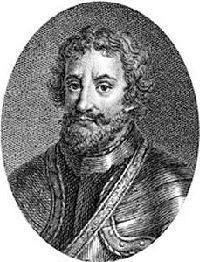
Macbeth was one of Shakespeare's last plays. It was also one of the shortest (a little over half the length of Macbeth) and it was definately the darkest. And although Shakespeare based Macbeth on a real story about a king named Macbeth, there are some differences. First off, the real Macbeth never talked to any witches, nor did he ever plan on murdering anyone. Although King Duncan is seen as a wise old man in the play, he was actually young and impish, and was killed in battle, not assassinated. And Macbeth was not killed near his castle but far away on another battle.
So Macbeth really did live, and although his new story is far different, he's still kind of alive today. He lives on in the countless reproductions of Shakespeare's "Macbeth," also known as "The Tragedy of Macbeth," also known as just plain "That Scottish Play."
Left: A portrait of the real King Macbeth, who ruled around 1040.

